
Use Case: How a Digital Health Communication Platform Can Improve Disease Outbreak Response in Nigeria
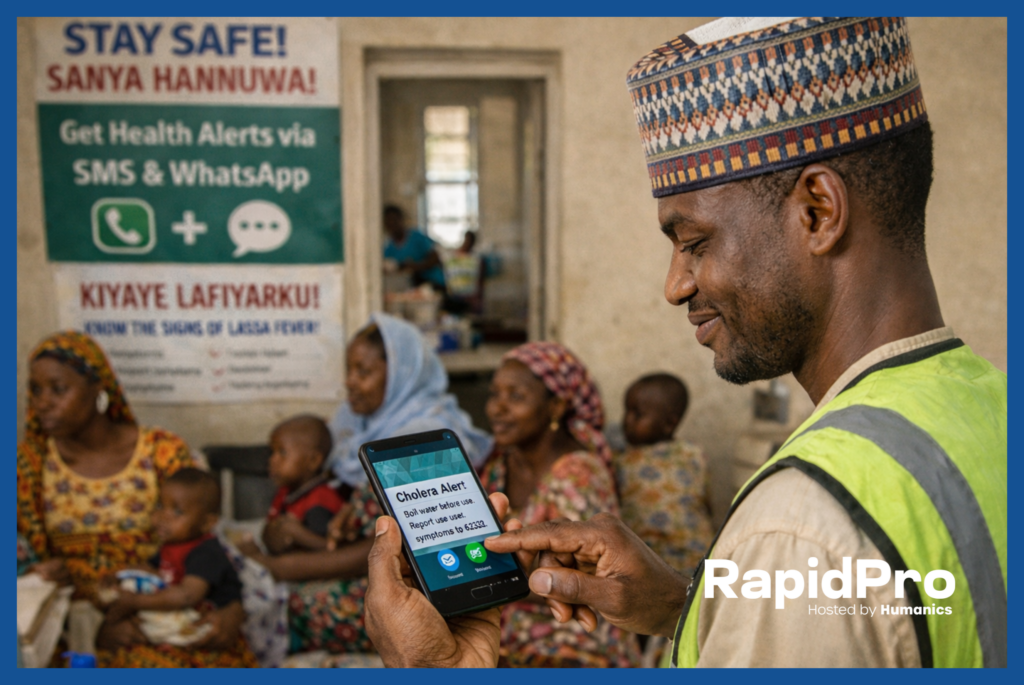
Nigeria has faced numerous public health emergencies in recent years, from cholera outbreaks and annual Lassa fever surges to the COVID-19 pandemic. In each crisis, one lesson stands out: rapid, reliable communication can save lives. Yet traditional outbreak communication in Nigeria often struggles with fragmented channels, slow information flow, and misinformation. Health alerts may take too long to reach remote communities, and authorities receive little feedback from the field, making it hard to track the situation in real time. These gaps have real consequences.
For example, outbreak alerts sent via text have sometimes failed to reach those who need them most due to language or literacy barriers. Similarly, during Lassa fever outbreaks, officials noted weak community-level surveillance and delayed care-seeking as major challenges. Imagine if health authorities could instantly broadcast an emergency alert to millions of Nigerians across SMS, WhatsApp, and radio, and get immediate reports back from citizens about new cases or needs. This is the promise of a digital health communication platform.
In this article, we explore how a platform like RapidPro, deployed via the RapidPro App service, could transform disease outbreak communication in Nigeria. By enabling mass multi-channel messaging, two-way interaction, and real-time data collection, such a system can help disseminate verified information, counter rumors, and pinpoint emerging hotspots faster than ever. The result? Stronger preparedness, better coordination, and a more engaged community when it matters most.
Nigeria’s Disease Outbreak Communication Challenges
Nigeria’s public health sector confronts frequent disease outbreaks where fast and accurate communication is crucial. However, several communication challenges persist:
- Fragmented Channels: Information during emergencies often relies on press releases, infrequent SMS blasts, or local radio announcements. These one-way channels don’t guarantee everyone gets the message in time. During the COVID-19 response, for instance, officials had to leverage every medium from social media to radio to reach citizens, yet misinformation on private chats still spread faster than official updates.
- Delayed Information Flow: Critical updates (like new case locations or health advisories) can take days to filter through the hierarchy of federal, state, and local authorities before reaching communities. This delay was evident in past cholera outbreaks when warnings and prevention guidelines arrived late to remote villages.
- Limited Two-Way Communication: Traditional systems offer little opportunity for communities to ask questions or report what they are seeing. Local health workers might notice unusual spikes in illness, but without an interactive reporting channel, that intelligence may not reach decision-makers promptly. The Nigeria Centre for Disease Control (NCDC) has identified that weak community-level surveillance impedes early outbreak detection.
- Misinformation and Trust Issues: In the absence of timely, trusted messaging, rumors fill the void. False cures or conspiracy theories, often spread via WhatsApp or word of mouth, can lead people to ignore health advice. For example, at the height of COVID-19, Nigeria battled an “infodemic” of false information, prompting the NCDC to launch an interactive chatbot to provide accurate answers. This underscores the need for proactive communication to counter misinformation before it causes harm.
- Language and Literacy Barriers: Nigeria’s diverse languages and varying literacy levels mean a one-size message doesn’t fit all. Outbreak alerts sent only in English or via text can bypass many in rural areas, especially women and vulnerable groups, who may not read English or have access to mobile phones. Without local-language messaging or alternative formats (like voice calls), critical guidance can fail to reach a large segment of the population.
These challenges illustrate why strengthening disease outbreak communication is as vital as medical interventions. To keep outbreaks from escalating, Nigeria needs a way to deliver timely alerts and gather ground-truth information from every corner of the country, in an inclusive and trusted manner.
How a Digital Health Communication Platform Improves Outbreak Response
A digital health communication platform offers an integrated solution to the above gaps. It is essentially a centralized system that enables health authorities to broadcast messages, engage in two-way conversations, and analyze field data in real time. Here’s how such a platform can strengthen outbreak response in Nigeria:
- Rapid, Multi-Channel Messaging: Speed is essential in a health crisis. A digital platform lets officials send mass alerts within minutes across multiple channels, including SMS, WhatsApp, email, and even automated voice calls. A single coordinated message (in Hausa, Yoruba, Igbo, English, etc.) can reach millions simultaneously in both cities and remote villages. By meeting people on whatever device or app they use, authorities dramatically expand their reach and ensure communities get the news from official sources first, not rumors.
- Two-Way Communication and Feedback: Unlike traditional broadcasts, modern platforms support interactive messaging. Citizens and frontline workers can reply to messages or submit reports through the system. This two-way communication is a game-changer for outbreak management. Communities can ask questions (“What are Lassa fever symptoms?”) and get automated answers, or report a suspected case in real time. Health officials, in turn, gain immediate visibility into what’s happening on the ground. In fact, enabling bi-directional communication with the public has been identified as critical for effective outbreak control.
- Real-Time Data Collection: Every incoming message (for example, a clinic reporting a surge of patients with diarrhea in a region) is instantly captured in a central database. Data from SMS surveys or chatbots can feed into live dashboards that epidemiologists at NCDC monitor. Instead of waiting for paper reports, decision-makers see outbreak trends unfold in real time, which villages are reporting new cholera cases, where medical supplies are running low, and which rumors are trending. This real-time surveillance enables faster, data-driven decisions. As UNICEF’s experience shows, getting timely data via mobile platforms lets health teams respond before outbreaks spiral.
- Misinformation Management: With an official two-way channel open, authorities can actively dispel rumors. For instance, an FAQ chatbot can be set up (as NCDC did for COVID-19) to answer common questions and debunk false information about the disease. Moreover, by monitoring the questions people ask or the incorrect beliefs they mention in messages, the health ministry can identify what myths are spreading and address them in outbound communications. This direct engagement builds public trust: people are more likely to follow guidelines when the information comes through an interactive, credible source they can talk to, rather than random social media forwards.
In summary, a digital health communication platform combines speed, reach, and interactivity. It ensures that during a public health emergency, correct information flows out quickly to every level of society, and vital information from the community (alerts, needs, feedback) flows back just as quickly to responders. This closes the communication loop, allowing for a much more agile and effective outbreak response.
RapidPro App: A Scalable Platform for Public Health Emergency Messaging
To ground this in a concrete example, let’s look at RapidPro, a widely used open-source platform developed with support from UNICEF, and how the RapidPro App service could deploy it for Nigeria. RapidPro has been used in over 40 countries for initiatives ranging from immunization drives to disease surveillance. It is essentially a digital health communication platform that specializes in large-scale mobile messaging and data collection. RapidPro.app, in turn, is a fully managed hosting solution that allows governments and NGOs to roll out RapidPro quickly without worrying about servers or technical maintenance.
Here’s a hypothetical outbreak scenario illustrating how RapidPro App could strengthen Nigeria’s response:
- Nationwide Multi-Channel Alerts: Imagine a cholera outbreak hits multiple regions. With RapidPro App, NCDC can immediately broadcast a verified alert (e.g., “Cholera outbreak in [State]: boil water, report symptoms to 6232”) via SMS, WhatsApp, and even voice calls in local languages. Within minutes, people across the affected areas receive the warning on their phones. This multi-channel blast ensures communities are informed simultaneously, leaving little room for rumors to spread.
- Interactive Reporting & Triage: Every alert can invite citizens to report symptoms or needs (e.g., “Reply 1 if you feel ill”). Responses are instantly collected and mapped by the system. If dozens of people in one district reply with symptoms, RapidPro flags a potential hotspot. Officials can dispatch a response team immediately, even before lab confirmation, to contain the spread early. The platform can also auto-triage replies: any message indicating severe symptoms triggers an instant alert to health officials, while the sender receives an automated advice to seek care.
- Real-Time Dashboards: All incoming data flows into a central dashboard that NCDC and partners can monitor. Decision-makers get a live map of which areas are reporting the most cases, how fast the outbreak is spreading, and where to prioritize interventions. Instead of waiting for weekly reports, officials have an up-to-the-minute view of the crisis to guide their actions.
- Reliability at Scale: RapidPro App is built to handle massive communication needs. There are no limits on messages or contacts, so it can easily manage nationwide outreach. And because it’s a fully managed service, there’s minimal risk of downtime. In an emergency, you can’t afford the system to crash, as experts note; delays or outages during a crisis can cost lives. RapidPro App’s robust infrastructure (with 24/7 support) ensures communication lines stay open when they’re needed most.
Conclusion: Strengthening Outbreak Response Through Digital Innovation
Nigeria’s experience with epidemics like COVID-19 and Lassa fever has shown that effective communication is as critical as medical care in saving lives. Modernizing how we communicate during crises is no longer a luxury; it is a necessity. A digital health communication platform, such as RapidPro App offers Nigeria a chance to leapfrog the communication hurdles of the past. By delivering timely alerts, facilitating two-way engagement, and equipping decision-makers with real-time data, it addresses the very gaps that have hampered outbreak responses in the past.
Of course, technology is only part of the solution. Investments in community trust, digital literacy, and infrastructure must accompany these tools. But as a core communication backbone, a platform like RapidPro App can greatly amplify those human efforts. For Nigeria, it provides an accessible, scalable way to keep the public informed and engaged, ultimately leading to quicker containment and better health outcomes.
For public health leaders ready to strengthen outbreak preparedness, RapidPro App offers a turnkey path to implement this vision. As a fully managed RapidPro service, it allows you to deploy interactive messaging systems at a national scale without worrying about infrastructure or code.
You focus on your mission while our team handles the technical complexity. And with affordable, transparent pricing and enterprise-grade support, RapidPro App is helping organizations across Africa modernize their public health communication. Request Your RapidPro App Demo today to see how this digital platform can safeguard your communities when it matters most.
FAQ
Q1: What is a digital health communication platform?
A1: It’s a software system (usually cloud-based) that enables health organizations to send and receive messages at scale for public health purposes. In practice, that means a platform that can broadcast health alerts (via SMS, WhatsApp, email, etc.), run interactive chatbots or surveys, and collect responses in real time. Unlike single-channel tools, a digital health communication platform integrates multiple messaging channels and provides a dashboard to manage the conversations. This is especially useful during outbreaks; for example, authorities can quickly notify the public about an emergency and instantly gather feedback or reports from the community.
Q2: How can digital platforms improve disease outbreak communication in Nigeria?
A2: Digital platforms can vastly improve disease outbreak communication by making it faster, more direct, and more interactive. In Nigeria, where outbreaks can spread across both remote areas and dense cities, a digital system lets health agencies instantly reach millions with the same verified information, rather than relying on slower traditional media. It also allows two-way interaction; people can ask questions or report cases through simple text messages or chat apps, helping authorities gather timely data from the ground.
Q3: Why is two-way messaging important for public health emergency messaging?
A3: Two-way messaging transforms public health emergency messaging from a one-sided broadcast into a dialogue. This is important because during a crisis, people often have urgent questions, fears, or unreported symptoms that one-way announcements can’t address. With two-way messaging (via SMS or chat apps), community members become active participants in the response. They receive life-saving instructions and can also respond with their own information, for instance, reporting a new case or asking if a rumor is true. For health authorities, this feedback is invaluable. It improves situational awareness (e.g., spotting a pattern of symptoms in a region) and helps target the response more effectively.